Before They Say Yes: What Communicators Owe Influencers, Celebrities and Spokespeople Now
Brand deals collapse the moment a creator feels ambushed by a crisis no one warned them about. Here is the vetting, briefing and crisis-comms duty of care every PR team owes the talent they pay — and why creators should refuse work without it.
By Board of Creators Editorial ·
Key takeaways
- Most influencer and spokesperson contracts spell out what talent owes the brand but leave the brand's duty of care blank.
- PR Daily argues brands owe four things before signing: honest vetting of themselves, a real briefing, a crisis playbook with the talent named in it, and post-campaign aftercare.
- AI deepfakes, 90-minute social cycles and creators out-earning the brands paying them have made the old "flat fee, all risk on talent" deal untenable.
- A defensible pre-signing briefing names a 24/7 contact, pre-approves holding statements, and writes a no-penalty exit ramp into the contract.
- Creators should refuse deals where the brand will not put duty-of-care commitments in writing — a refusal is a preview of how the brand will behave in a crisis.
In the rush to lock down a celebrity endorsement or an influencer campaign, one question still gets skipped more often than any other: what do we, as the brand, owe the human being whose name is about to be welded to ours?
A new piece in PR Daily argues the answer is "a lot more than a contract and a media kit." And in 2026 — with AI-generated deepfakes, 48-hour outrage cycles and creators routinely out-earning the brands paying them — the cost of getting this wrong is no longer a bad week of press. It is talent walking, lawsuits, and a permanent stain on the brand's ability to sign anyone credible ever again.
The deal everyone forgets to write down
Most influencer and spokesperson contracts are extremely clear about what the talent owes the brand: deliverables, exclusivity windows, morality clauses, approval rights, the right to terminate if the creator embarrasses the company.
The reverse side of that page is usually blank.
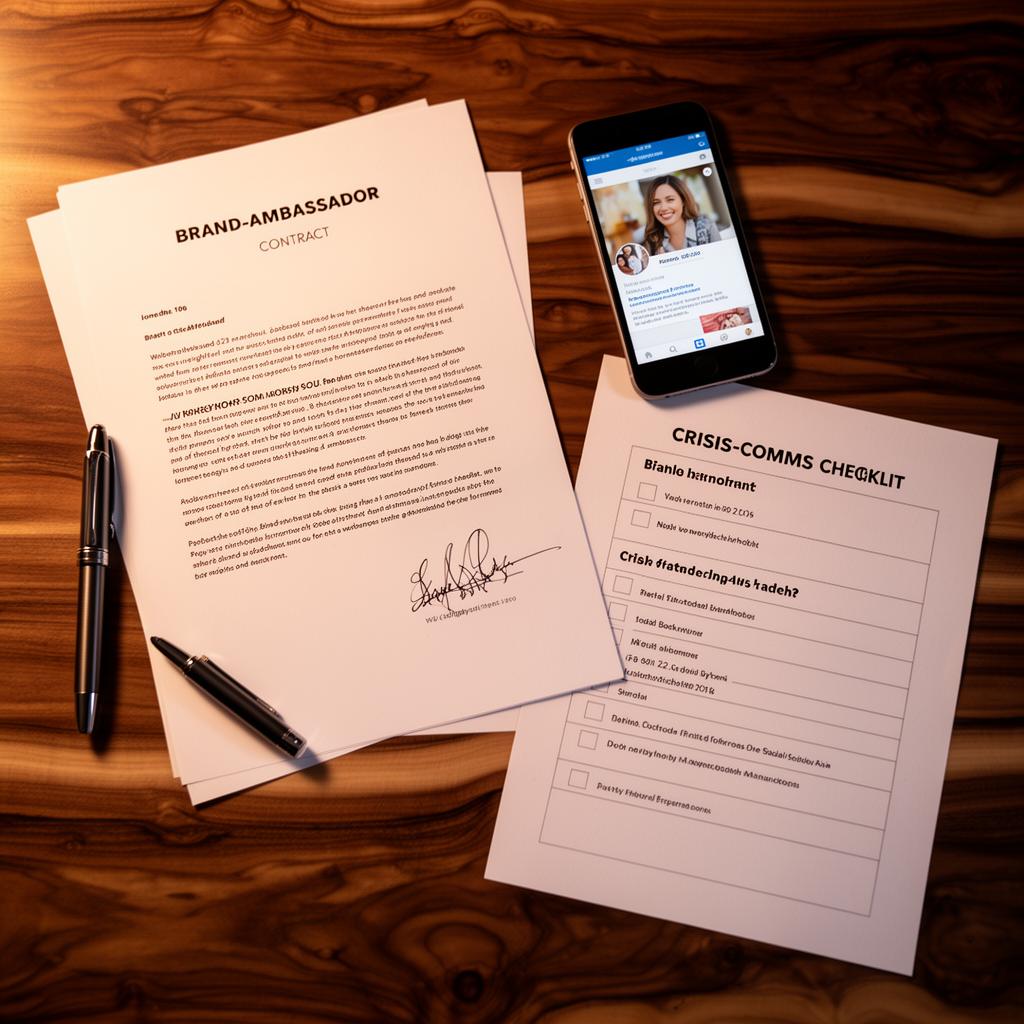
What does the brand owe the creator? PR Daily's reporting — and a growing chorus of agents, managers and crisis comms pros — points to four duties that should be non-negotiable before anyone signs:
- Honest vetting of the brand itself. Pending lawsuits, regulatory investigations, ESG controversies, founder behaviour, supply chain exposure — the creator deserves to know what they are being asked to vouch for.
- A real briefing, not a brand deck. What is the company actually trying to say? What is it trying to stop saying? Where are the trip-wires?
- A crisis playbook with the talent's name in it. Who calls the creator first if something blows up? In what time frame? Who speaks publicly, and who stays quiet?
- Aftercare. When the campaign ends, the brand walks away. The internet does not. The creator's search results carry the association for years.
Why this is a 2026 problem, not a 2019 problem
Three things have changed since the last wave of "celebrity gone wrong" coverage:
- The talent is now the channel. A mid-tier creator with 400,000 engaged followers reaches more of a brand's buyers than the brand's own owned media. That shifts leverage — and it shifts who carries the reputational risk when something goes sideways.
- AI made impersonation trivial. Deepfake endorsements, cloned voices and fake "leaked" DMs can put words in a spokesperson's mouth before the PR team has finished its morning coffee. Creators are asking, reasonably, what the brand will do when — not if — it happens to them on the brand's watch.
- Audiences punish silence faster than mistakes. The 24-hour news cycle is now a 90-minute social cycle. A spokesperson left in the dark for a single afternoon looks complicit by dinner.
What a real "duty of care" briefing looks like
Borrowing from the PR Daily framework and stitching in what we hear from creator-side managers, a defensible pre-signing briefing covers, at minimum:
- Every live or threatened legal, regulatory or reputational issue the brand knows about.
- The brand's last three crises and how they were handled — including the ones that never went public.
- A named single point of contact for the talent, reachable inside 60 minutes, 24/7, for the duration of the engagement.
- Pre-approved holding statements the creator can post or send if something breaks before the brand has a position.
- A clear exit ramp: under what conditions the creator can walk without penalty, and what the brand will and will not say about them on the way out.
None of this is exotic. It is exactly the duty of care a smart PR team would extend to its own CEO. The argument PR Daily is making — and we agree with — is that paid talent deserves the same standard.
Why creators should stop signing without it
For the creator side of the table, the takeaway is sharper: a brand that refuses to put any of the above in writing is telling you who they will be in a crisis. Believe them.
The leverage is real. Every credible study of the creator economy in the last 18 months says the same thing: brands are chasing trust, and trust lives with creators, not logos. A creator who walks away from a deal that won't protect them is not being difficult. They are protecting the only asset they actually own.
The honest read
PR has always sold itself as the discipline of "managing reputation." For the last decade, in influencer work, that has mostly meant managing the brand's reputation while the creator absorbed the downside risk for a flat fee.
That deal is ending. The brands that figure out how to genuinely protect the people they pay — with vetting, briefing, crisis plans and aftercare written into the contract — will be the ones who still have access to credible talent in 2027. The ones who treat creators as disposable distribution will find the good ones quietly stop returning their emails.
If you're a brand reading this
Add a "Duty of Care" appendix to every influencer and spokesperson contract before the next quarter closes. Make it a single page. Make it specific. Make your legal team uncomfortable. That discomfort is the point.
If you're a creator reading this
Before you sign the next deal, ask for the four things above in writing. If the brand says yes, you have a real partner. If they say no, you have your answer — and you have just saved yourself a future you don't want. For more on protecting your business as the rules change, see our coverage of the China MCN crackdown and the UK's under-16 social media ban.