How to Find the Right Influencers for Your Brand in 2026: A 6-Step Playbook
Forget the ring light and the suspiciously high follower count. The brands winning in 2026 pick creators on audience fit, engagement, and expertise — not vanity metrics. Here is the playbook.
By Board of Creators ·
Key takeaways
- Start with creator marketplaces — they compress weeks of cold-DM research into a curated, pre-vetted shortlist with portfolios, audience data and pricing.
- Each platform rewards a different signal: Instagram for lifestyle, TikTok for emerging talent (follower count barely matters), YouTube for deep trust, LinkedIn for undervalued B2B.
- Start with the conversation, not the creator. Find who already makes reviews, tutorials and buying guides in your category — the partnership feels native instead of bolted on.
- Reddit is the most underused discovery tool — repeated unprompted recommendations across subreddits surface the experts a community actually trusts.
- Audit competitor partnerships for shortcuts, and mine your own customer base for ambassadors with real enthusiasm money cannot fake.
- Fit beats follower count: judge on engagement quality, audience overlap, content production fit, brand safety history, and how past sponsored content was framed.
Influencer marketing in 2026 is not about finding someone with a ring light, a skincare shelfie and a suspiciously high follower count. It is about finding the creators whose audience, style and expertise actually align with your brand — and then proving the partnership can move the business.
With creators now taking over Cannes Lions and global influencer spend on track for $12.4 billion this year, the cost of picking the wrong partner has never been higher. Below is a practical 6-step playbook — adapted from Backstage''s June 2026 brand guide by Rex Provost — with our notes on what actually works for the brands and creators we cover.
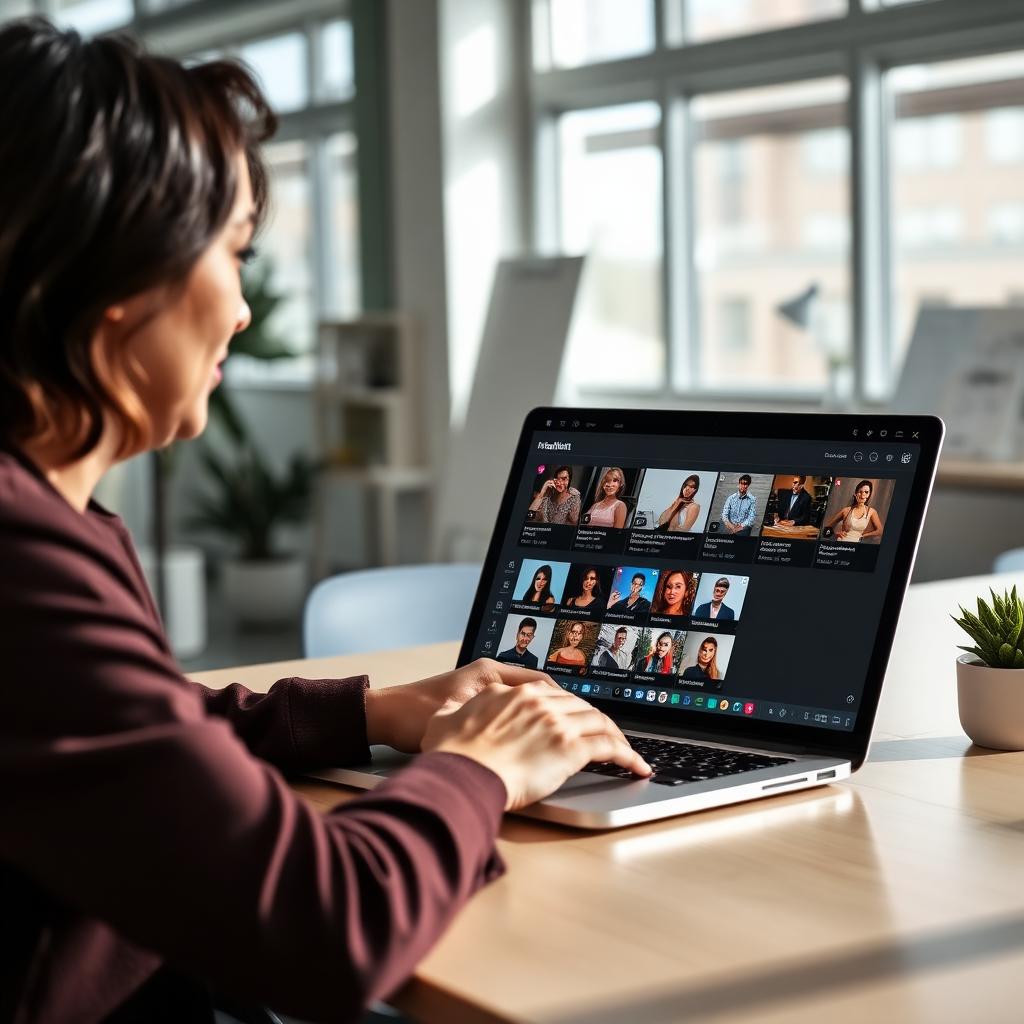
1. Start with creator marketplaces and talent platforms
Cold-DMing strangers does not scale. Marketplaces let you browse vetted portfolios, past brand work, audience data and pricing in one place. Look for platforms where creators provide:
- Portfolio samples — past content and campaigns, not just follower counts.
- Professional reels — how they actually present on camera.
- Audience information — who they reach and where.
- Areas of expertise — niches, formats and content strengths.
- Clear contact and pricing — so legal and procurement can move fast.
For brands that need content shipped this quarter, this is the fastest credible starting line. Explore our Creator Apps directory for the marketplace, vetting and analytics tools we recommend.
2. Search platforms directly — each one rewards a different signal
Marketplaces are curated. The wild discovery still happens on-platform, and each platform has its own logic:
- Instagram — still the heavyweight for beauty, fashion, food, fitness, travel and home. Search hashtag clusters around the buyer''s daily routine, not your brand name.
- TikTok — the algorithm makes follower count almost irrelevant. A 15K-follower creator can outperform a 150K creator on the same brief. Best place to surface nano and micro talent.
- YouTube — deepest trust, longest watch time. Ideal for software, finance, automotive and anything that needs a real review or tutorial.
- LinkedIn — yes, B2B influencers are real. Founders, operators and analysts with engaged feeds are now the most undervalued partners in the entire ecosystem.
3. Look at who is already talking about your category
Start with the conversation, not the creator. Search for product reviews, buying guides, tutorials, opinion pieces and "I tried X for 30 days" content in your category. The people already making that content understand the audience better than anyone you can recruit cold — and a paid partnership feels native instead of bolted on.
4. Use Reddit to surface the experts a community actually trusts
Reddit is rarely where campaigns run, but it is where you learn who niche communities recommend without prompting. Search the relevant subreddits and look for:
- Frequently recommended creators
- YouTube channels that come up repeatedly
- Reviewers cited as "trusted"
- Subject-matter experts and community moderators
When the same name surfaces across multiple unprompted threads, you have found a signal money can''t buy.
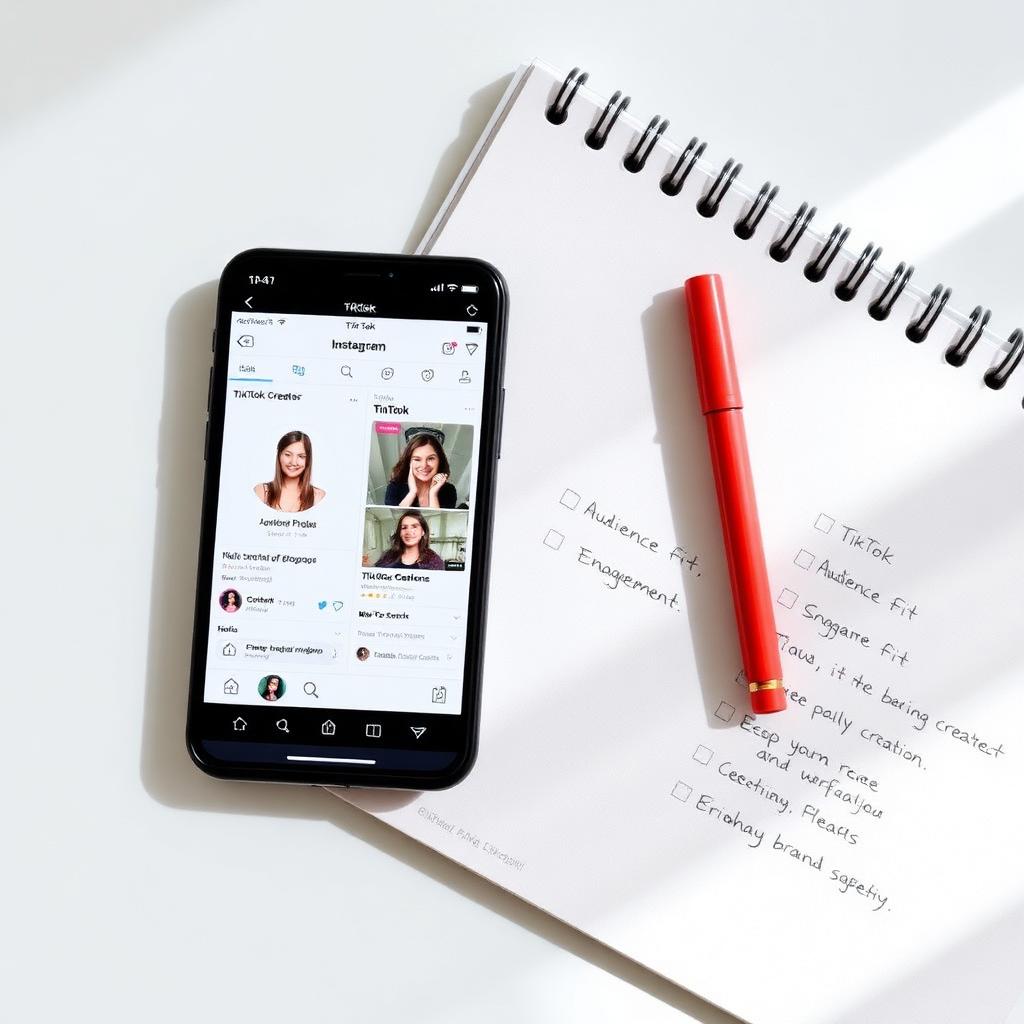
5. Study competitor partnerships — then go one layer deeper
Competitor research is the fastest legal way to compress your shortlist. Don''t just copy the casting. Ask:
- Why was this creator selected? Audience, niche, tone, platform fit.
- What audience do they actually reach? Demographics and intent beat raw size.
- What content performed? Look at saves, shares and comments — not just views.
- What deal structure was used? Review, tutorial, giveaway, affiliate, ambassadorship?
The gap between what your competitors did and what they missed is usually your best opportunity.
6. Mine your own customer base
Some of your best influencers are already buying from you. People who post about your product, tag your brand, or leave organic reviews bring something paid creators cannot fake: real enthusiasm. Even modest audiences convert at outsized rates when the story is genuine. Many of the strongest ambassador programs start here.
How to evaluate fit — beyond the follower number
Discovery is half the job. The other half is judgement. The campaigns that fail almost never fail because the creator was too small. They fail because the partnership was misaligned.
Look past follower count
Engagement, comment quality and trust signals matter more than raw reach. Ask: do real people respond? Does the audience treat the creator as a peer or a billboard?
Evaluate audience alignment
The creator''s audience should overlap with your buyer. Check age, gender, geography, income, lifestyle, and — most importantly — intent. A luxury travel brand learns nothing from a college-student audience, no matter how engaged.
Review content quality
Match the production standard to your brand. Some campaigns need polished, cinematic YouTube reviews. Others perform better with a lo-fi TikTok testimonial that feels like a friend texting. The right answer depends on the platform and the buyer''s mindset, not your brand book.
Run a real brand-safety check
Scroll their last 24 months — not just the grid. Look for offensive content, repeat controversies, misinformation, or anything that becomes your problem the moment the contract is signed. This doesn''t mean avoiding creators with point of view. It means knowing the risk before you wire the money. See our deeper take in what communicators owe their talent.
Audit previous sponsored content
Creators who promote something different every week struggle to keep audience trust — and your campaign will pay the price. Creators who are selective convert better. Look at how past partnerships were framed and how the audience responded: curiosity, skepticism, enthusiasm or silence are all data.
Combine methods — the strongest programs always do
You do not have to pick one approach. The brands shipping the best work in 2026 layer all six:
- Browse marketplaces for speed and vetting.
- Search Instagram and TikTok for cultural fit.
- Use Reddit to find the experts communities already trust.
- Study competitor casting for shortcuts.
- Identify enthusiastic customers as ambassadors.
- Use discovery and measurement software to validate audience data.
Each method reveals a different layer of the creator landscape. Stack them and you stop guessing.
The Board take
The brands winning in 2026 treat influencer discovery the way a great talent agency treats casting: a structured process, not a vibe. The follower-count era is over. Audience fit, engagement quality, brand safety and creative effectiveness are the new scoring system — and Cannes Lions just tightened its awards rules to enforce exactly that. Pick your creators like the partnership has to prove ROI, because in 2026, it does.
Related reading: Creators take over Cannes Lions 2026 · Why micro-influencers are the activation tool of the year · What communicators owe their talent · Browse vetted creator tools and marketplaces