5 AI Influencers Taking Over Social Media: From Granny-Friendly Avatars to Virtual Biebers
Virtual humans are no longer a novelty. Meet five AI influencers — from Aitana López to Lil Miquela — racking up millions of followers, brand deals and uncanny-valley headlines in 2026.
By Board of Creators ·
Key takeaways
- Aitana López reportedly earns up to €10,000/month — AI talent now competes directly with mid-tier human creators on price.
- Lil Miquela, Imma and Noonoouri have booked Prada, IKEA, Dior and Warner Music — virtual influencers are mainstream luxury talent.
- Unlicensed AI doppelgängers of Bieber, Grande and Chalamet are the next legal battleground for the creator economy.
- China, the UK and the EU are moving toward mandatory AI-disclosure rules for synthetic influencers in 2026.
- For human creators, the defensible move is becoming a creator-as-showrunner — building and voicing AI characters, not racing them.
Five years ago, a CGI character with a Calvin Klein deal felt like a stunt. In 2026, AI influencers are a category — with talent agencies, sponsorship rate cards, and in some cases, granny-friendly fan clubs. A recent South China Morning Post Style feature rounded up the virtual faces dominating Instagram and TikTok, and the list says a lot about where creator economics is headed.
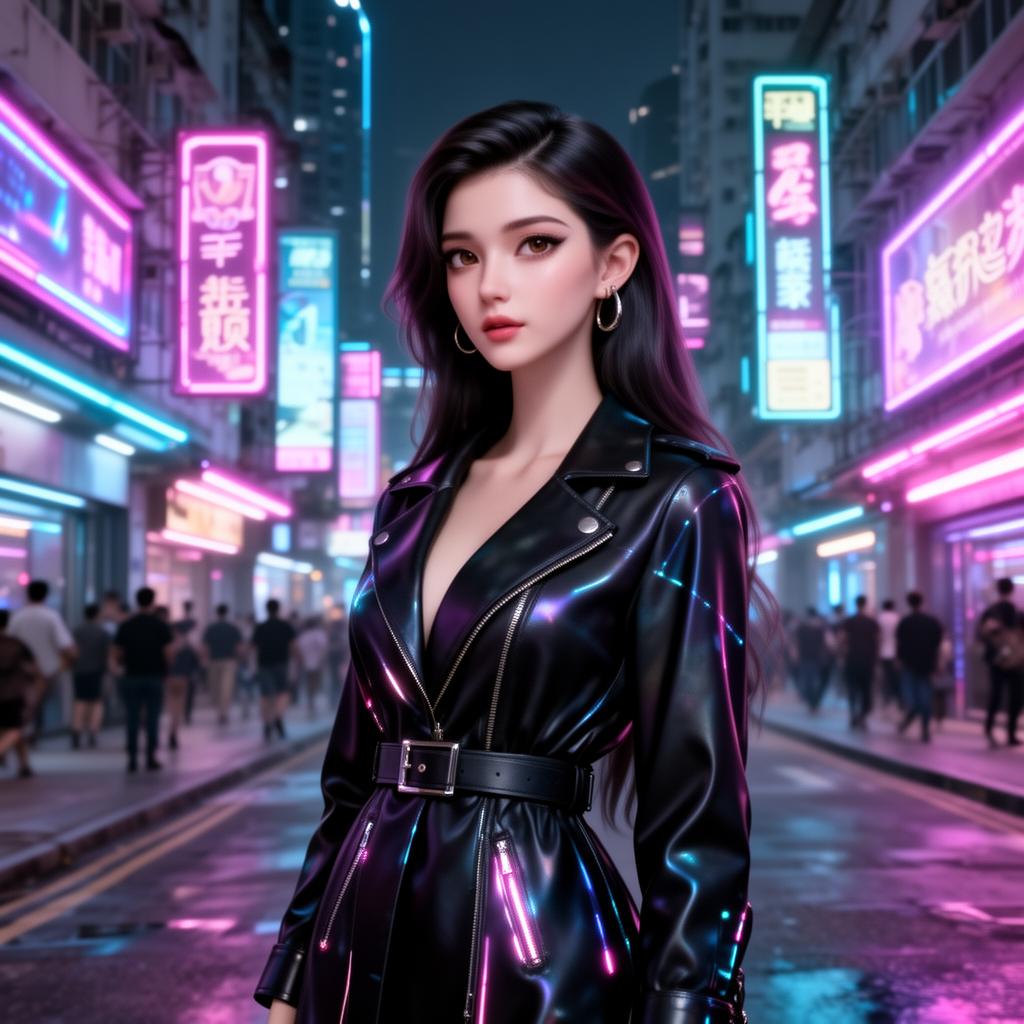
The five virtual humans worth knowing
1. Aitana López — Spain''s pink-haired powerhouse
Built by Barcelona agency The Clueless, Aitana López reportedly earns up to €10,000 a month from brand deals with the likes of Olaplex and Victoria''s Secret-adjacent labels. Her appeal is a fully controllable image: no scheduling conflicts, no off-brand nights out, no agent renegotiations.
2. Lil Miquela — the OG who refuses to age
Launched in 2016 by Brud, Lil Miquela remains the benchmark. With 2.5M+ Instagram followers and campaigns for Prada, Calvin Klein and BMW, she proved a CGI character could carry a luxury brief. In 2026 she''s being repositioned for Gen Alpha — same freckles, new Roblox presence.
3. Imma — Tokyo''s pink-bob trailblazer
Created by Aww Inc., Imma has fronted IKEA Harajuku, Porsche Japan and Valentino. Her photorealism is so convincing that Japanese broadcasters now flag AI-generated talent on-screen — a regulatory first prompted partly by her career.
4. Noonoouri — the doll the grannies love
German designer Joerg Zuber''s Noonoouri reads as a stylised cartoon, not a human — and that''s the point. SCMP notes her cross-generational appeal: grandmothers send her DMs alongside Gen Z fans. Dior, Marc Jacobs and Versace have all booked her, and in 2023 she signed a record deal with Warner Music.
5. The Virtual Biebers — AI doppelgängers of real stars
The wildest entry: AI-generated lookalikes of Justin Bieber, Ariana Grande and Timothée Chalamet now post on TikTok with millions of followers. Some are licensed (rare), most are not — and the legal grey zone is where the next two years of creator-economy lawsuits will be fought. See our coverage of what PR teams now owe celebrity spokespeople for the contractual fallout.
Why this matters for human creators
The instinctive reaction — "AI is coming for my brand deals" — is half right. What AI influencers are really doing is resetting the floor on price and predictability. A virtual model never cancels a shoot, never goes viral for the wrong reason, and can be re-skinned for fifty markets in a weekend. That puts pressure on the middle of the human influencer market (the 100K–500K tier) to articulate what only a real person can offer: lived experience, community, and trust.
It also creates new lanes. Human creators who build AI characters — voice them, write them, art-direct them — are quietly becoming the most defensible operators in the space. Think of it less as competition and more as a new role: creator-as-showrunner.
The regulation question
Expect 2026 to be the year disclosure rules catch up. China''s new MCN registration regime already requires AI-generated talent to be labelled. The UK''s ASA is consulting on equivalent rules. The EU AI Act''s transparency obligations kick in for general-purpose synthetic media this summer. Brands working with virtual influencers without an AI disclosure clause in the contract are taking on risk they probably haven''t priced.
The takeaway
AI influencers aren''t a gimmick anymore — they''re a parallel talent market with its own economics, agencies and increasingly its own regulation. For human creators, the winning move is not to compete on uncanny perfection. It''s to lean harder into the things a CGI face will never have: a real Tuesday, a real opinion, a real audience that knows the difference.
Source: South China Morning Post Style — "5 AI influencers and social media models, from granny-friendly Noonoouri to virtual Biebers" (June 2026).